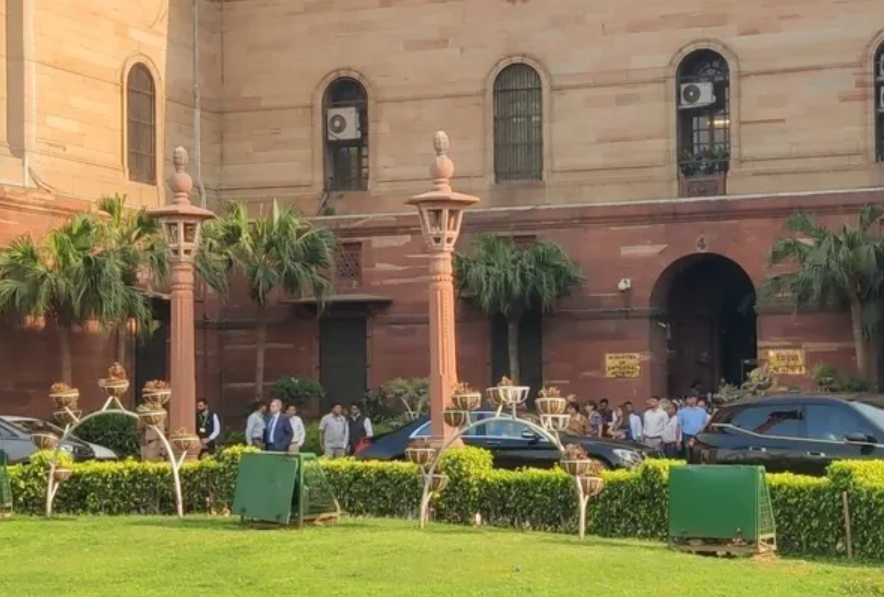
Following a deadly terrorist attack in Pahalgam, Jammu and Kashmir, where 26 people were killed, leaders from across India’s political spectrum convened in an all-party meeting to discuss the incident and the government’s response. The meeting aimed to forge a united front against terrorism.
Key Points:
- Unified Condemnation and Support:
- Leaders from all parties unequivocally condemned the attack and pledged their full support to the government in taking decisive action against terrorism.
- Parliamentary Affairs Minister Kiren Rijiju emphasized the unified message that India must fight terror unitedly, with all parties backing the government’s actions.
- Security Lapses Raised:
- Opposition leaders, including Rahul Gandhi and Mallikarjun Kharge, raised concerns about security lapses in Pahalgam, questioning the absence of adequate security personnel.
- Kharge specifically pointed out the government’s lack of prompt action following the attack.
- Government Briefing and Response:
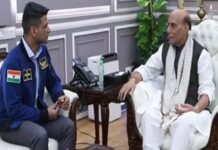
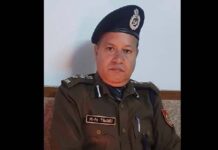
- The government, represented by Defence Minister Rajnath Singh, Intelligence Bureau Director Tapan Deka, Home Minister Amit Shah, and others, briefed the leaders on the attack and the measures being taken.
- The Government stated that the attack was aimed at disturbing the positive economic and tourism growth in the region.
- Opposition Demands:
- Some leaders, like Sanjay Singh, called for the destruction of terror camps.
- TMC’s Sudip Bandyopadhyay requested that the Prime minister convene a meeting of all party chiefs.
- Several leaders pointed out the Prime minister’s absense.
- Government Actions:
- Prior to the meeting, Prime Minister Modi vowed to “identify, track, and punish” the perpetrators and their backers.
- The government had also announced measures targeting Pakistan, including downgrading diplomatic ties, and other actions.
- National Unity:
- The overall sentiment was one of national unity in the face of terrorism, with a commitment to eliminating the threat.