
On June 12, a Boeing 787-8 aircraft, operated by Air India and bound for London Gatwick, crashed shortly after takeoff from Ahmedabad airport. The tragic incident resulted in the deaths of 241 people on board and several others on the ground, as the plane plummeted into a medical college complex.
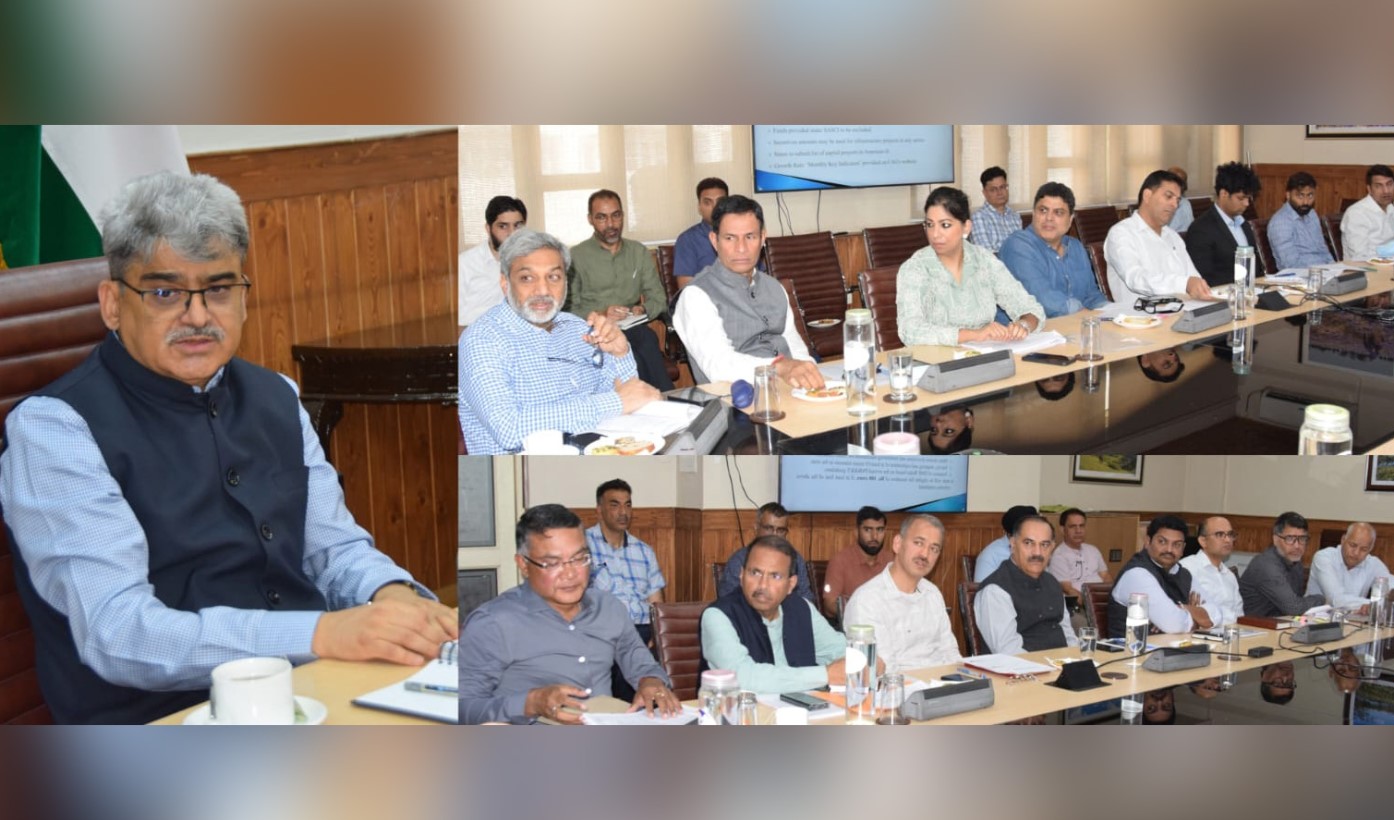
In response, the Civil Aviation Ministry has established a high-level, multi-disciplinary committee, headed by Union Home Secretary Govind Mohan, to investigate the causes of the crash and propose comprehensive guidelines to prevent future occurrences. This committee, formed on June 13, will not supersede ongoing inquiries by other relevant organizations, such as the Aircraft Accident Investigation Bureau (AAIB), which is already probing the crash.
The panel’s primary focus will be on formulating Standard Operating Procedures (SOPs) for both preventing and managing such incidents in the future. It is tasked with publishing its report within three months.
Committee Composition:
Chaired by Union Home Secretary Govind Mohan, the committee includes:
- Civil Aviation Secretary
- Additional Secretary in the Home Ministry
- Representatives from the Gujarat Home Department
- Gujarat Disaster Response Authority
- Ahmedabad Police Commissioner
- Indian Air Force’s Director General of Inspection and Safety
- Director Generals of the Bureau of Civil Aviation Security (BCAS)
- Directorate General of Civil Aviation (DGCA)
- Special Director of the Intelligence Bureau
- Director of the Directorate of Forensic Science Services
The order also allows for the inclusion of additional members, such as aviation experts, accident investigators, and legal advisors, as needed.
Committee Mandate:
The committee’s responsibilities include:
- Ascertaining Root Causes: Identifying the fundamental reasons for the crash and assessing contributing factors like mechanical failure, human error, weather conditions, and regulatory compliance.
- Formulating SOPs: Recommending necessary improvements and developing suitable SOPs to prevent future incidents, incorporating best international practices for accident prevention and handling.
- Assessing Emergency Response: Evaluating the effectiveness of emergency response from various stakeholders, including rescue operations and coordination efforts.
- Reviewing Existing Guidelines: Examining current guidelines for handling such incidents and reviewing records of previous aircraft crashes in India.
- Comprehensive Post-Crash Management: Formulating a comprehensive SOP outlining the roles of all central and state government agencies and organizations in post-crash incident handling and management.
- Policy and Operational Improvements: Suggesting policy changes, operational enhancements, and training improvements to prevent occurrences and manage post-crash situations.
- Access to Records: The panel will have full access to all relevant records, including flight data, cockpit voice recorders, aircraft maintenance logs, Air Traffic Control (ATC) logs, and witness testimonies.
- International Collaboration: Collaborating with international agencies if foreign nationals or aircraft manufacturers are involved.