
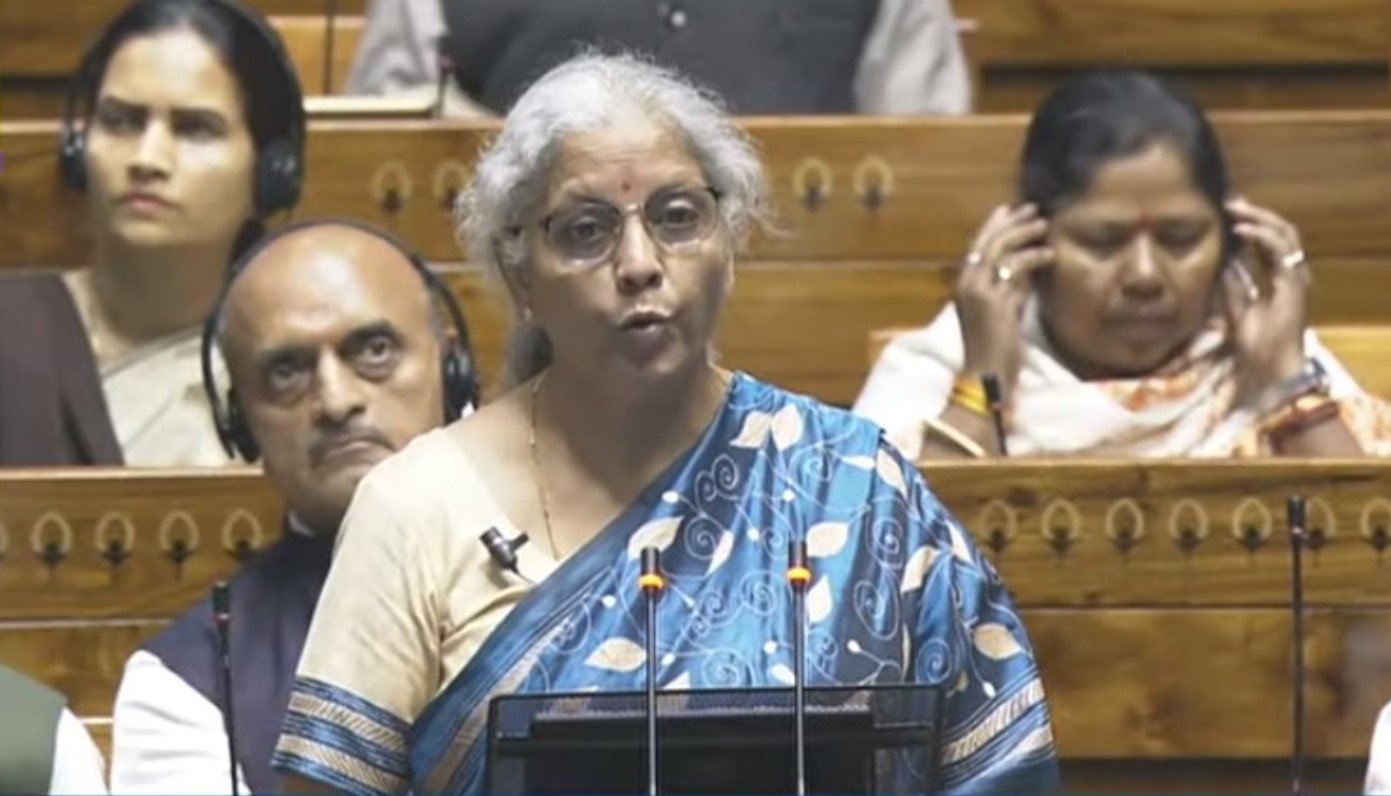
The Lok Sabha has passed the new Income Tax (No. 2) Bill, 2025, which aims to replace the more than 64-year-old Income-tax Act, 1961. The new bill was introduced by Finance Minister Nirmala Sitharaman and passed without debate amid ongoing protests from the opposition regarding the Special Intensive Revision (SIR) of electoral rolls in Bihar.
The government stated in its July 2024 budget that it would undertake a comprehensive review of the 1961 Act to make it simpler and easier to understand. The old Act had become complex due to numerous amendments, which increased the burden on taxpayers and hindered tax administration. The new bill is intended to address these issues.
Key Details of the New Bill and Committee Recommendations
The new bill incorporates almost all the recommendations made by the 31-member Select Committee headed by BJP MP Baijayant Panda. The committee, in its 4,584-page report, made 566 suggestions to improve the legislation, including:
- Taxpayer Relief: A significant recommendation was to change the provision that disallows refunds if income tax returns are filed after the due date.
- Clarification for Non-Profits: The committee asked for clarification on terms like ‘income’ vs. ‘receipts’ and anonymous donations to prevent legal disputes.
- Alignment with Other Laws: The panel suggested aligning the definition of micro and small enterprises with the MSME Act.
- Drafting Improvements: The committee identified and suggested several drafting corrections to tighten definitions, remove ambiguities, and ensure a clearer, more unambiguous interpretation of the new law.
The government had initially introduced the Income Tax Bill, 2025, on February 13, 2025. However, after the Select Committee submitted its report, the government decided to withdraw the original bill and introduce the amended Income Tax (No. 2) Bill, 2025, to incorporate the suggested changes.
The Lok Sabha also passed the Taxation Laws (Amendment) Bill, 2025, without debate at the same time.