
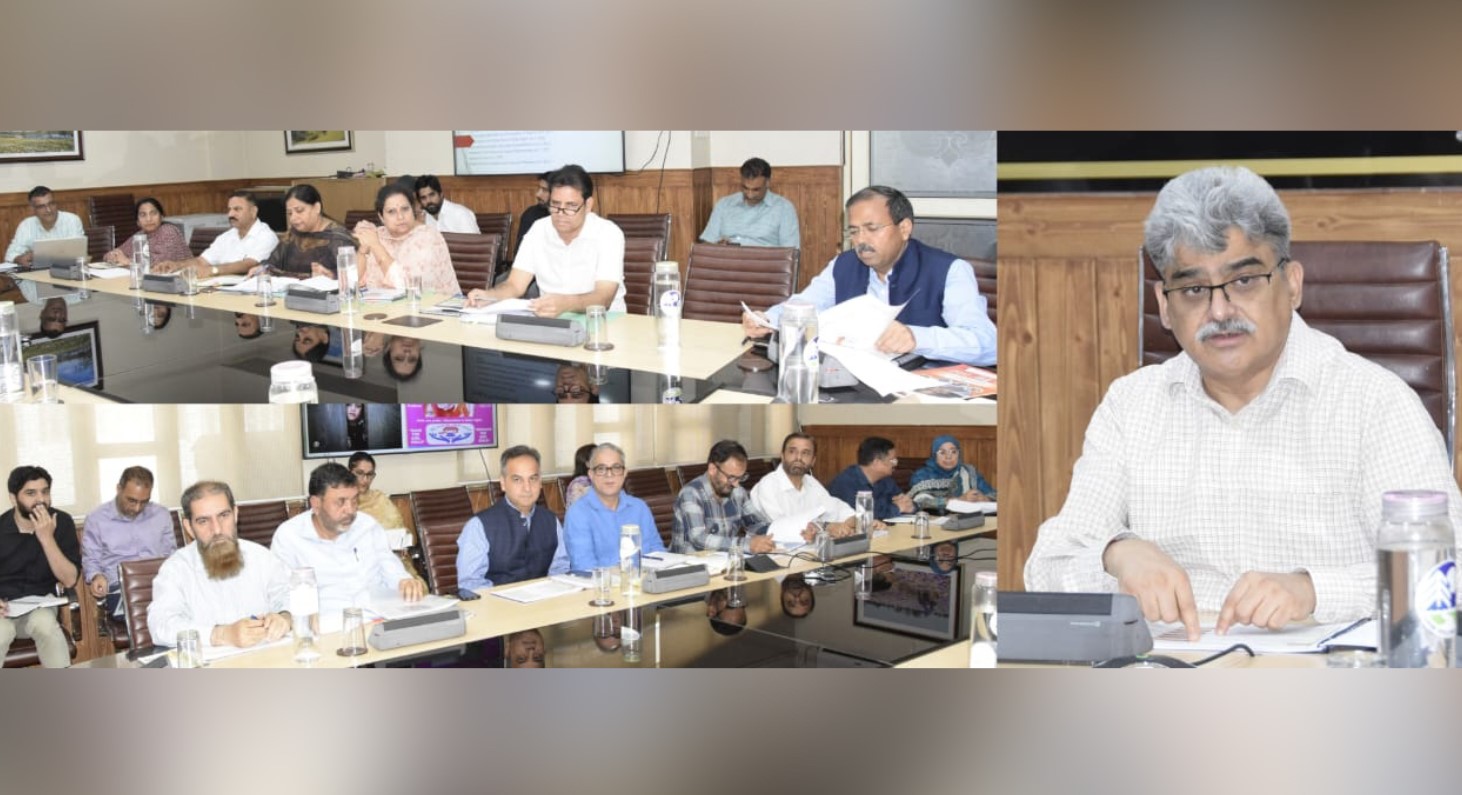
Chief Secretary Atal Dulloo recently chaired a meeting to assess the progress of various welfare schemes benefiting marginalized and vulnerable communities throughout Jammu and Kashmir.
Key Directives and Initiatives
Dulloo emphasized the critical need to upgrade all Anganwadi Centres (AWCs), ensuring they have essential facilities like electricity, drinking water, and toilets. He prioritized government-owned centers for upgrades through collaboration with departments such as Rural Development and called for the relocation of centers in private buildings that lack proper infrastructure.
Enhancing Outreach and Impact
The Chief Secretary stressed the importance of monitoring outcomes of nutrition-based interventions under the Poshan Scheme, which targets children, adolescent girls, and lactating mothers. He highlighted that tracking measurable results is crucial for achieving tangible progress at the grassroots level.
He also urged Programme Officers and District Social Welfare Officers (DSWOs) to conduct frequent field visits to gain insights into on-ground realities, ensuring that decisions align with actual community needs.
Forward-Looking Proposals
In a notable suggestion, Dulloo encouraged the department to explore establishing Composite Homes in districts. These homes would house orphaned children, elderly citizens, and destitute women together, fostering a sense of community and reducing isolation.
Departmental Overview and Financial Outlays
Principal Secretary Anil Kumar Singh provided an overview of the Social Welfare Department’s scope, noting it implements 37 Centrally Sponsored Schemes and 9 UT schemes. The department has a budgetary allocation of Rs 4,361 crore for the fiscal year 2025-26. He highlighted the presence of approximately 28,000 Anganwadi Centres (AWCs) across the Union Territory, serving nearly 9 lakh beneficiaries and ensuring last-mile service delivery.