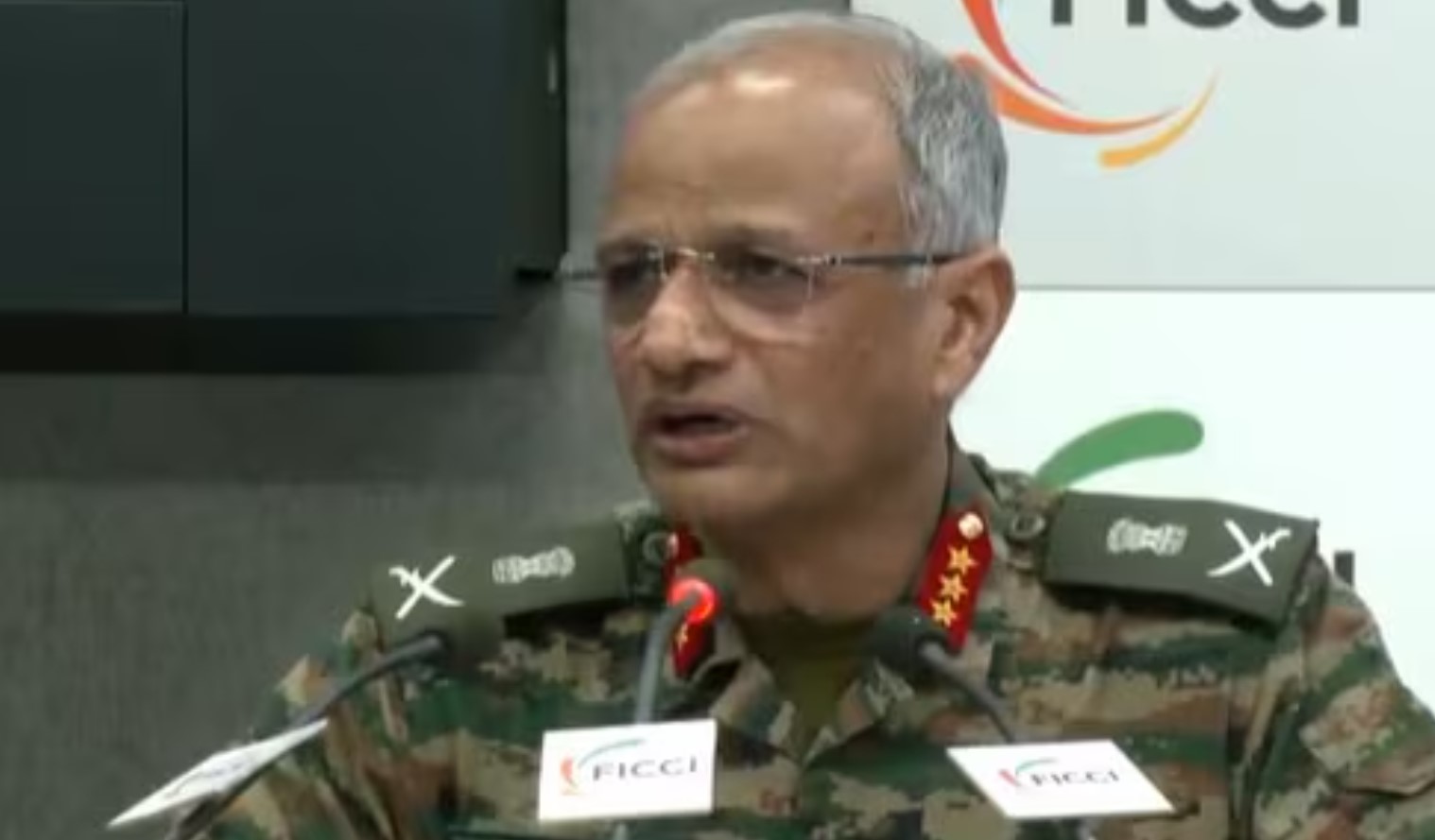
Lieutenant General Rahul R Singh, the Deputy Chief of Army Staff (Capability Development and Sustenance), recently shared critical insights from Operation Sindoor at the ‘New Age Military Technologies’ event organized by FICCI. He emphasized that the conflict highlighted the intricate nature of modern warfare.
Key Lessons from Operation Sindoor
General Singh underscored several vital takeaways:
- Dual Adversaries on One Border: He noted that India faced a complex situation with “one border and two adversaries, actually three,” with Pakistan at the forefront receiving extensive support from China. He specifically mentioned that 81% of Pakistan’s military hardware in the last five years has been Chinese-supplied.
- Importance of Air Defence: The Deputy COAS stressed the crucial role of air defence during the operation. He highlighted the need for a robust air defence system, revealing that Pakistan received “live updates” on India’s important vectors with China’s assistance. This, he explained, allows China to use such conflicts as a “live lab” to test its weapons. He also acknowledged Turkey’s role in providing support, including Bayraktar drones.
- Strategic Messaging and Precision Strikes: General Singh lauded the Indian Armed Forces for their precision strikes on terror infrastructure. He emphasized the importance of clear strategic messaging from leadership, stating, “There is no scope of absorbing the pain the way we did a few years ago.”
- Data-Driven Target Selection: The planning and selection of targets were based on extensive data collected through a combination of technology and human intelligence. Out of 21 identified targets, nine were strategically chosen for engagement.
- Integrated Tri-Services Approach: A deliberate decision was made to adopt a tri-services approach to send a clear message of India’s integrated military strength.
- Escalation Management: General Singh highlighted the strategic objective of always being at the top of the escalation ladder and halting the conflict once the military objective was achieved. He remarked, “War is easy to initiate, but it’s very difficult to control,” praising the decision to end the war at an opportune moment as a “masterly stroke.”