
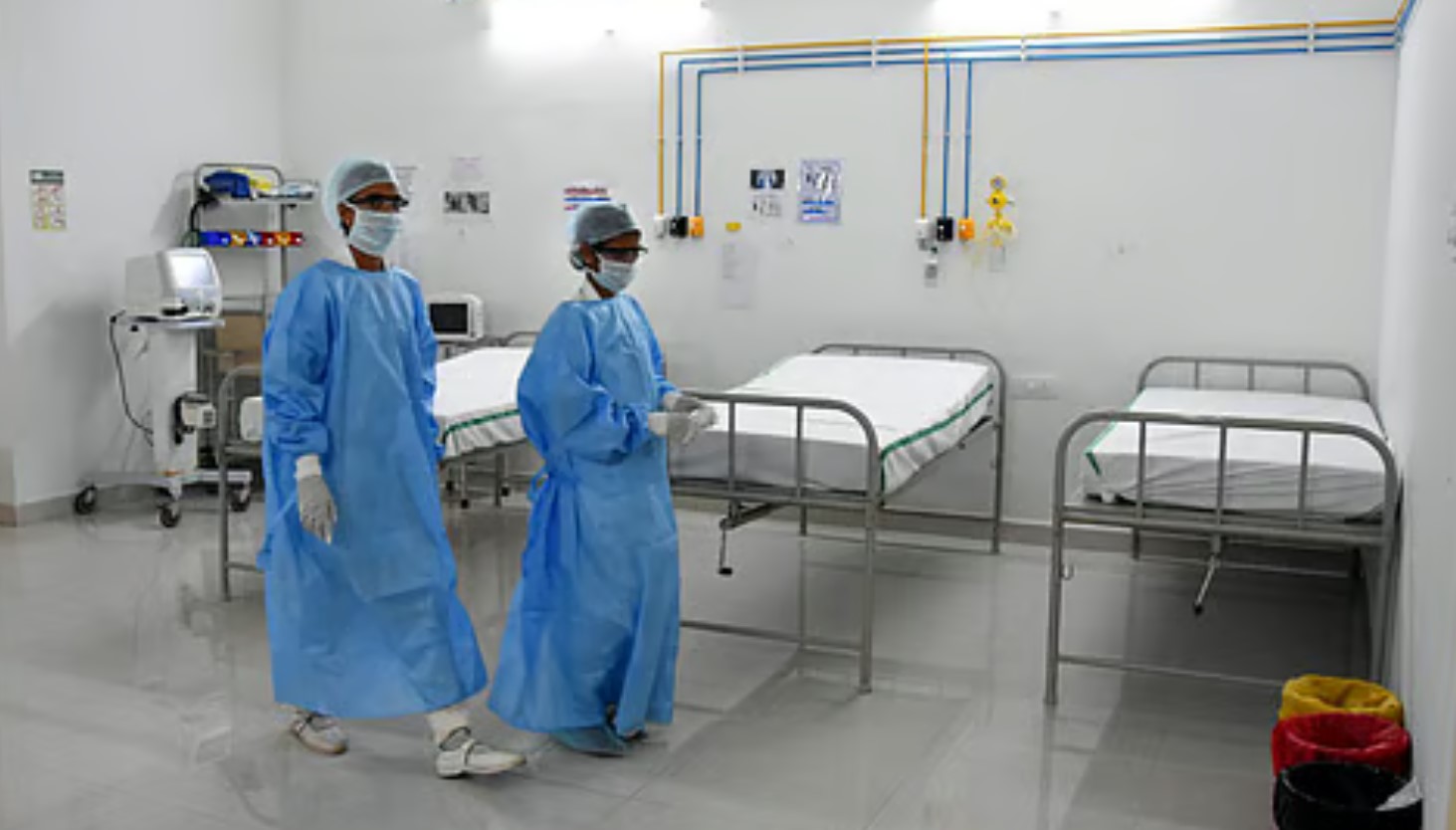
New Delhi: With a recent uptick in COVID-19 cases, Indian states have been directed to ensure the readiness of essential medical infrastructure, including oxygen supplies, isolation beds, ventilators, and critical medicines.
These directives follow a series of technical review meetings held on June 2nd and 3rd, chaired by Dr. Sunita Sharma, Director General of Health Services (DGHS). The meetings brought together representatives from key health and disaster management agencies, including the Disaster Management Cell, Emergency Management Response (EMR) Cell, National Centre for Disease Control (NCDC), Indian Council of Medical Research (ICMR), Integrated Disease Surveillance Programme (IDSP), central government hospitals in Delhi, and health officials from all states and Union territories. The primary objective was to assess the current COVID-19 situation and evaluate preparedness measures nationwide.
Official sources indicate that state and district surveillance units under the IDSP are diligently monitoring cases of Influenza Like Illness (ILI) and Severe Acute Respiratory Illness (SARI). As per guidelines, testing is mandated for all admitted SARI cases and 5% of ILI cases. Positive SARI samples are subsequently sent for Whole Genome Sequencing via the ICMR VRDL network.
As of June 4th, India reported 4,302 active COVID-19 cases, marking an increase of 864 cases in the preceding 24 hours. However, officials noted that the majority of cases are mild and can be managed with home care. Since January 1st, 44 COVID-related deaths have been reported, primarily among individuals with pre-existing health conditions.
To further bolster readiness, a mock drill evaluating oxygen supply systems—including PSA plants, LMO tanks, and MGPS lines—was conducted on June 2nd. Additional facility-level preparedness mock drills are scheduled for Wednesday and Thursday.
The public is advised to maintain good hand hygiene, practice cough etiquette, and avoid crowded places if feeling unwell. Individuals experiencing acute respiratory illness should self-monitor their symptoms and seek medical attention if their condition deteriorates. The government emphasizes relying on trusted sources, such as the Health Ministry’s website and PIB releases, to prevent the spread of misinformation.
The Union Health Ministry affirmed its continuous monitoring of the situation and its commitment to safeguarding public health through timely interventions and effective communication.