Indian agencies have uncovered compelling evidence linking the Pahalgam attackers to Pakistan, reinforcing Union Home Minister Amit Shah’s statements. The investigation, conducted between July 28-29, revealed a wealth of forensic, documentary, and testimonial proof establishing that all three perpetrators of the Pahalgam terror attack were Pakistani nationals and senior Lashkar-e-Taiba (LeT) operatives. No local Kashmiris were involved in the shooting.
Identity and Affiliation of the Attackers
The terrorists were identified as:
- Suleman Shah (code-named Faizal Jatt): An A++ commander, believed to be the mastermind and lead shooter.
- Abu Hamza (code-named Afghan): An A- grade commander and the second gunman.
- Yasi (code-named Jibran): An A- grade commander, who served as the third gunman and provided rear security.
These individuals had been hiding in the Dachigam-Harwan forest belt since the day of the attack.
Concrete Evidence Linking Attackers to Pakistan
Security forces recovered several crucial pieces of evidence directly connecting the terrorists to Pakistan:
- Pakistani Voter ID Cards: Two laminated voter slips issued by the Election Commission of Pakistan were found on Suleman Shah and Abu Hamza. Their voter serial numbers correspond to electoral rolls in Lahore (NA-125) and Gujranwala (NA-79).
- NADRA-linked Smart-ID Chips: A micro-SD card recovered from a damaged satellite phone contained National Database and Registration Authority (NADRA) biometric records, including fingerprints, facial templates, and family trees of all three men. This definitively confirmed their Pakistani citizenship and provided addresses in Changa Manga (Kasur district) and Koiyan village near Rawalakot, Pakistan-occupied Kashmir.
- Pakistan-Manufactured Personal Items: Wrappers of Karachi-based chocolates were discovered in a rucksack containing spare magazines. Lot numbers on these wrappers were traced to a May 2024 consignment shipped to Muzaffarabad, PoK.
Tracing the Terrorists’ Movement and the Attack
Investigators meticulously tracked the terrorists’ movements leading up to the attack:
- LoC Crossing: Intelligence Bureau intercepts placed their first radio check-in from the Pakistani side after they had crossed the Line of Control (LoC) near the Gurez sector.
- Shelter in Pahalgam: On April 21, the terrorists moved into a seasonal hut (“dhok”) at Hill Park, 2 km from Baisaran. Two detained Kashmiri helpers, Parvaiz and Bashir Ahmad Jothar, confessed to sheltering them overnight and providing food.
- Attack Execution: On the day of the attack, GPS waypoints recovered from Suleman Shah’s Garmin device matched the exact firing positions reported by eyewitnesses in Baisaran meadow.
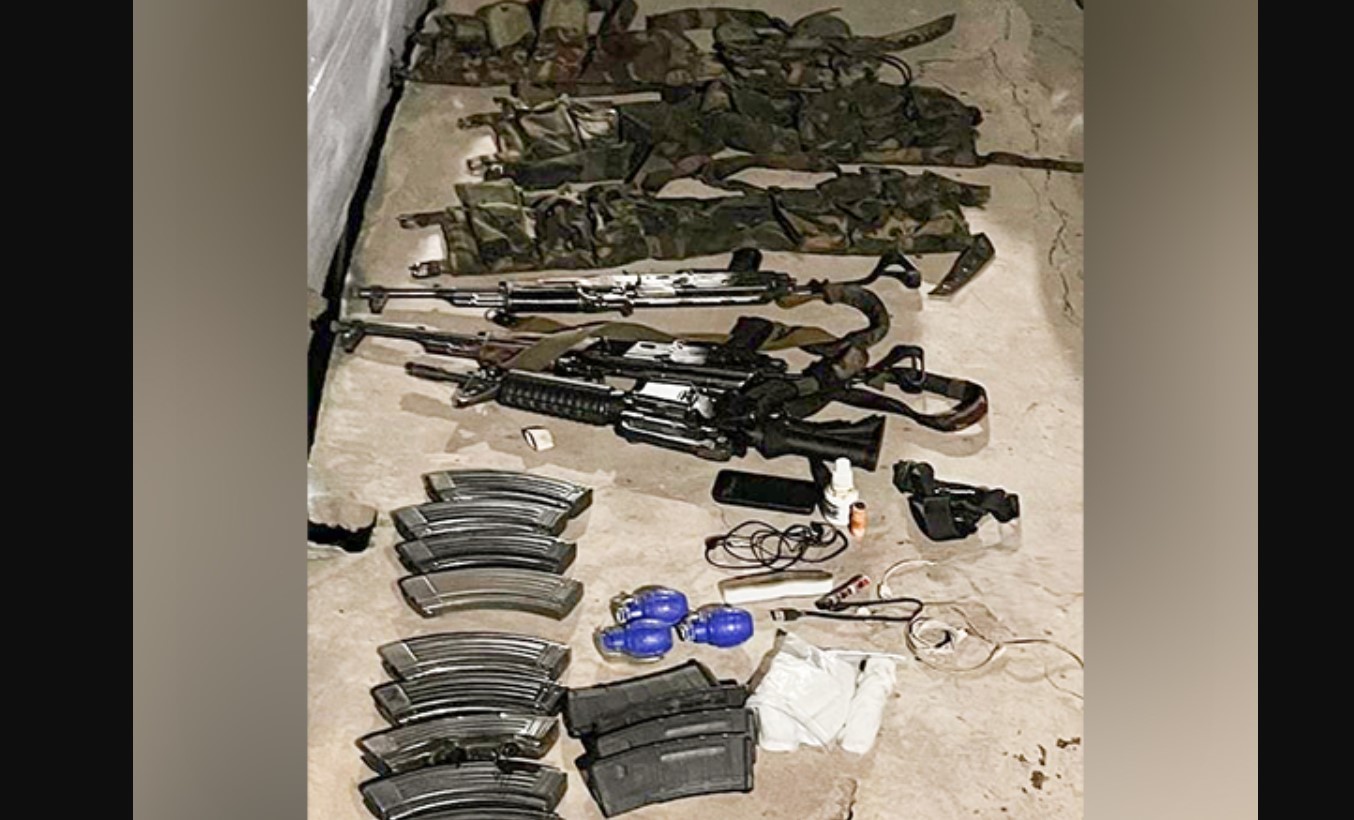
- Ballistic and DNA Evidence: Shell casings found at the scene matched the three AK-103 rifles recovered on July 28, with striation marks showing a 100% match. Additionally, mitochondrial DNA profiles extracted from blood on a torn shirt found at Pahalgam were identical to the DNA of the three bodies recovered in Dachigam.
- Escape Route: After the shootings, the terrorists escaped north-east toward Dachigam.
Digital Footprint and Command & Control Links
Further investigation into their digital footprint revealed their communication and command structure:
- Satellite Phone Activity: A satellite phone used by the trio (IMEI 86761204-XXXXXX) pinged Inmarsat-4 F1 nightly between April 22 and July 25, allowing triangulation that narrowed their search grid to a 4 km² area within the Harwan forest.
- Pakistani Handlers: The command and control links were traced to Pakistan. Sajid Saifullah Jatt, LeT’s South Kashmir operations chief and a resident of Changa Manga, Lahore, was identified as the overall handler. Voice samples from the recovered satellite phone matched his previously intercepted calls. Rizwan Anees, LeT Rawalakot Chief, visited the families of the slain attackers on July 29 to organize ‘ghibana namaz’ (funeral prayers without bodies), footage of which was captured by locals and is now part of the Indian dossier.